Category: Reloading Guides
-

Smart AI Group Analysis: What Your Groups Actually Tell You
LoadNode’s AI group analysis reads group shape, velocity correlation and weather to classify your pattern and point to non-load factors worth checking.
-

The Smart Way to Sync Reloading Data Across Your Devices
Sync reloading data across your phone, tablet and new devices with LoadNode: one-time Pro, local-first, offline-capable and private.
-

The Essential Reloading Data Backup Guide
Protect your load development with a solid reloading data backup: encrypted with AES-256, portable, and always yours.
-
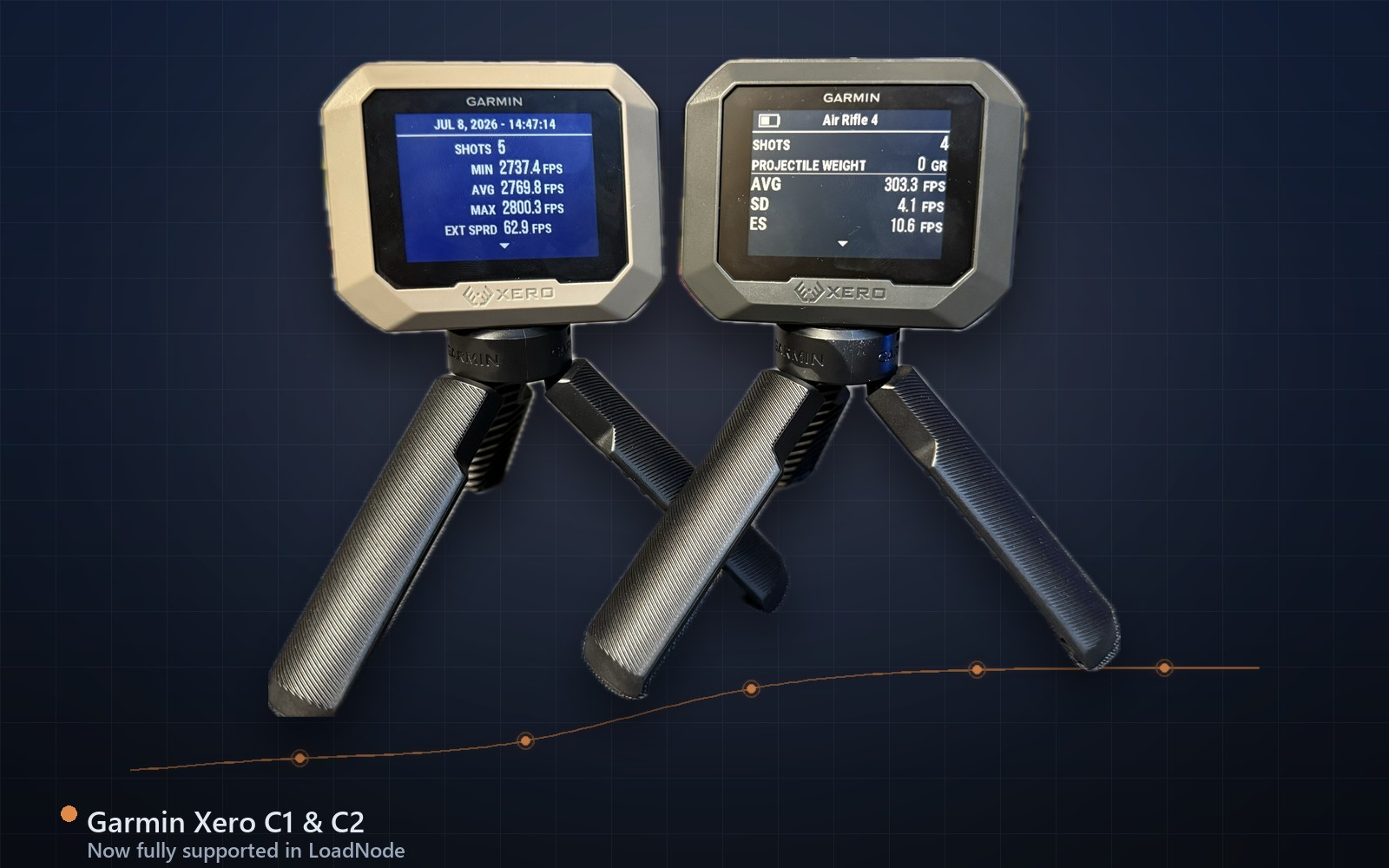
Garmin Xero C2 Live Capture: The Complete Guide
LoadNode now supports the Garmin Xero C2 — go live and watch each shot land on your charge ladder in real time, no pulling. C1 sync too.
-

Full Length vs Neck Sizing: The Honest Accuracy Verdict
Full length vs neck sizing settled with real data: accuracy, case life, shoulder bump, and why most precision shooters now full-length size.
-

Temperature Stable Powder: The Proven Path to Consistency
What temperature stable powder really means: how much velocity shifts per degree, why it matters at distance, and how to test your own load.
-
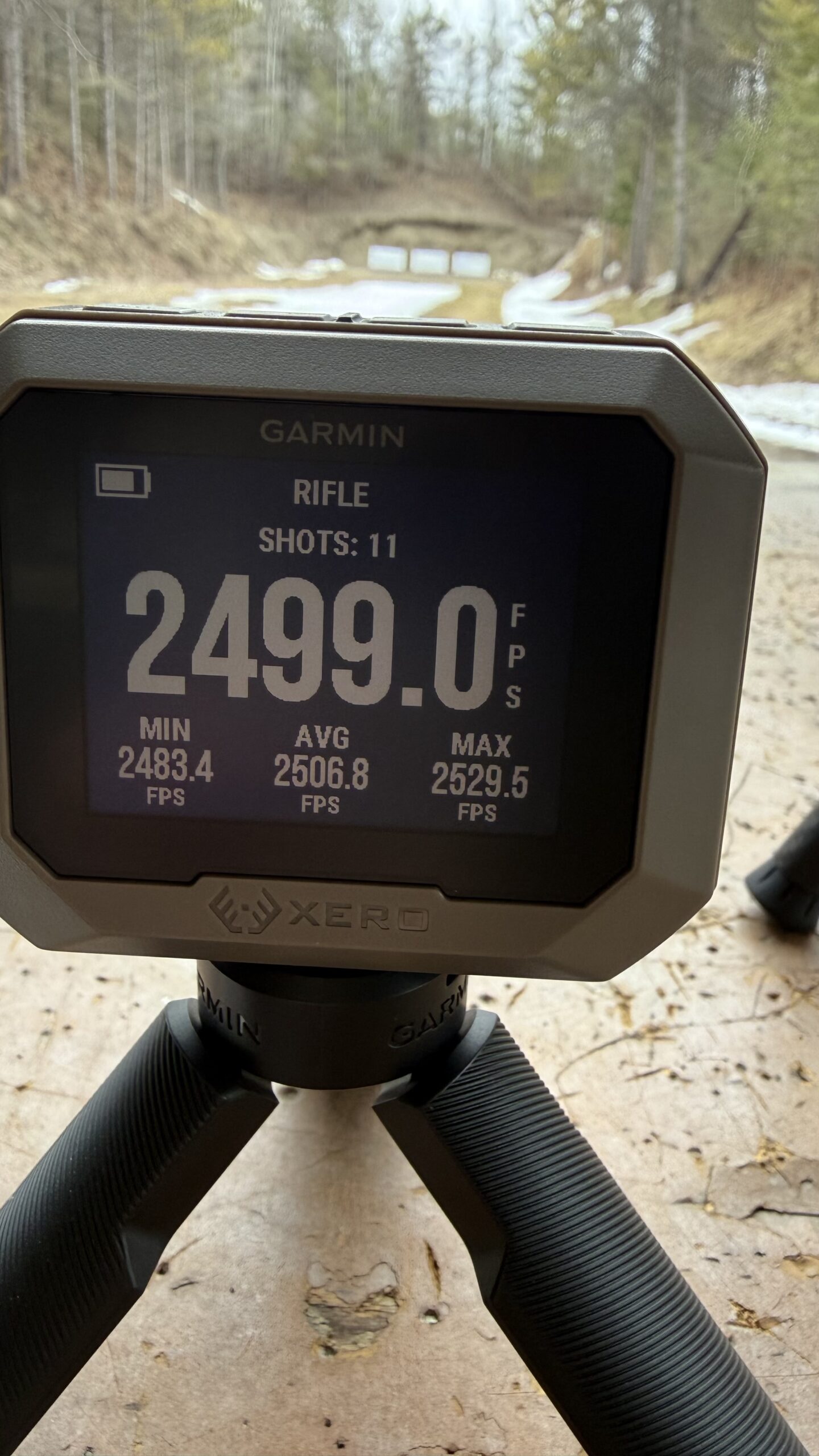
How to Use a Chronograph
How to use a chronograph: optical vs radar units, where to place it, how many shots to record, reading SD and ES, and the common mistakes that ruin your velocity data.
-

How to Choose Reloading Primers
How to choose reloading primers: small vs large, rifle vs pistol, standard vs magnum, why you can’t swap rifle and pistol primers, and how primer choice affects SD.
-

Neck Tension and Bushing Dies: The Key to Consistent SD
Neck tension and bushing dies explained: what neck tension is, why it drives SD, how expander balls, bushing dies and mandrels control it, and the role of annealing.
-

Ballistic Coefficient and Twist Rate: Choosing a Bullet for Distance
Ballistic coefficient and twist rate explained: what BC is, G1 vs G7, how twist stabilizes a bullet, the stability factor, and how to match a bullet to your barrel.