You work up a load on a mild 70°F range day, it shoots beautifully, and then a January match at 20°F throws your elevation off at distance. The culprit is almost always powder temperature sensitivity: and it is why temperature stable powder has become a quiet obsession among precision shooters. This guide explains what temperature stable powder actually means, how much velocity really moves per degree, and how to test your own load instead of taking anyone’s word for it.
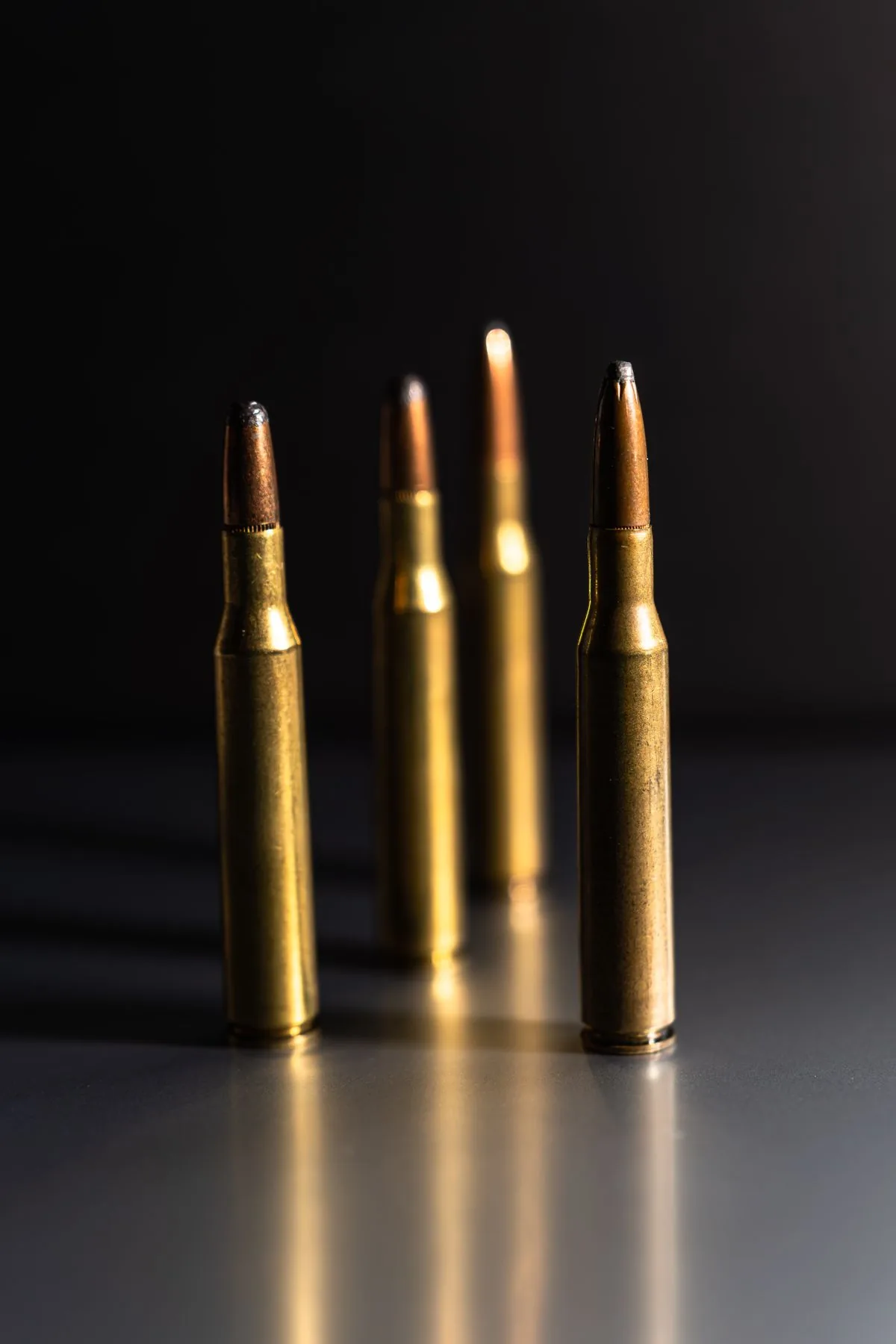
Why a temperature stable powder matters
Smokeless powder burns faster when it is warm and slower when it is cold. A warmer charge builds pressure quicker, so muzzle velocity climbs; a cold charge does the opposite. Because your elevation at distance is driven by velocity, a temperature swing quietly shifts your point of impact even though nothing on the rifle changed. A temperature stable powder is simply one engineered to minimize that shift across a wide temperature range.
How much does velocity really change?
The numbers vary by powder, but the pattern is clear:
- Powders not formulated for temperature stability are commonly cited as shifting roughly 1.5–2.0 fps per °F, with some older extruded rifle powders sitting at the higher end of that range.
- Powder lines marketed as temperature stable typically publish figures of a few tenths of an fps per °F across a very wide temperature span. Those are the manufacturers’ own claims, not measurements we have made, so read the current published data for whatever powder you already use and treat any range quoted here as background rather than a specification.
Do the math on why this matters: a 60°F swing at 1.5 fps/°F is about 90 fps of velocity change. At 1,000 yards that can be a meaningful chunk of elevation: enough to walk you off a target. The same swing with a genuine temperature stable powder might move you only 15–25 fps, which you may never see on paper. For context on how velocity spread ties to accuracy, see what a good SD really is.
Test your own load: don’t assume
Marketing claims are a starting point, not gospel; real-world sensitivity depends on your cartridge, load intensity and barrel. The only way to know is to measure it:
- Chronograph the same ammunition on a genuinely cold day and again on a genuinely hot one, recording the ambient temperature and how long the rounds sat at it before firing. Do not deliberately heat loaded ammunition to create the hot data point: let the seasons do it, and follow the powder and ammunition manufacturers’ published storage and temperature warnings, because a load that is safe on a cold morning can run materially higher pressure when hot.
- Record the average muzzle velocity and standard deviation at each temperature.
- Divide the velocity difference by the temperature difference to get your load’s real fps-per-degree.
That gives you an estimate, not a constant. Two strings on two days is a very small sample and the answer carries real uncertainty, so treat it as provisional, keep adding strings as the seasons change, and only re-true your DOPE once the same trend shows up repeatedly.
Temperature sensitivity also shows up as a cold-bore surprise. If your ammunition sat overnight in a cold truck and you fire that first shot on a frosty morning, a temperature-sensitive load can print noticeably low, then walk up as the barrel and remaining rounds warm. A more stable powder shrinks that first-shot shift, which matters enormously to hunters and match shooters who only get one cold-bore shot that counts. It is one more reason the temperature question is really an accuracy question, not just a chemistry curiosity.
Log it so the pattern is obvious
A single cold-day string is noise; the same load logged across a year of temperatures is a trend you can act on. LoadNode stamps every velocity string, with its average, SD and ES, onto the session that produced it, along with the temperature, pressure, humidity and density altitude you recorded that day and the barrel it was fired through. So the cold-morning string and the August string sit in the same logbook with their conditions attached, and you can read them side by side yourself instead of taking a marketing figure on trust. It does not rank powders, score them against each other or tell you which one won; that reading stays yours to make. Chasing a temperature stable powder only makes sense once you can actually see what temperature is doing to your rifle.
Handloading is an adult activity done at your own risk. LoadNode is a logbook and analysis tool: it never provides load data. Always develop loads from current published manufacturer data and work up safely.