When shoppers compare rifle scopes, the spec that confuses them most is focal plane: and the FFP vs SFP decision genuinely changes how you shoot. It is not marketing fluff: first focal plane and second focal plane scopes behave differently the instant you touch the magnification ring. This guide explains the FFP vs SFP difference in plain English, who each one suits, and how to choose without overspending.
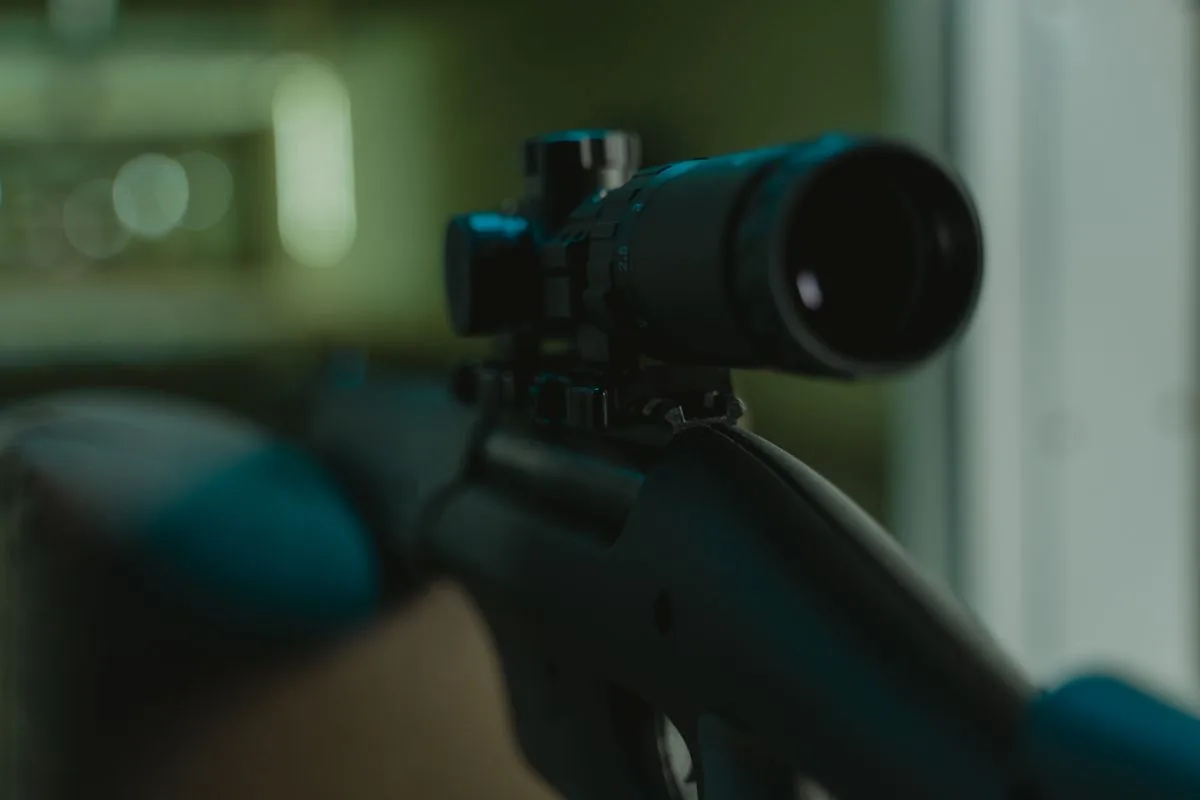
The core FFP vs SFP difference
In a first focal plane (FFP) scope, the reticle sits ahead of the magnifying lenses, so it grows and shrinks with the image. That means the reticle’s hash marks, your MIL or MOA subtensions, represent the same value at every magnification. In a second focal plane (SFP) scope, the reticle stays a constant physical size while the image zooms, so those subtensions are only correct at one specific magnification (usually the maximum). That single behavior is the whole story.
A quick way to tell them apart
Not sure which one you have? Look through the scope at a fixed object and spin the magnification ring. If the reticle appears to grow and shrink along with the target, it is first focal plane. If the crosshair stays exactly the same size while the image zooms, it is second focal plane. On an SFP scope, check the specification sheet for the magnification at which the reticle is “calibrated”: that is the one power where your holdovers are honest. Miss that detail and a holdover that should be 1 mil might really be 2, which at distance is a clean miss. Understanding this is half of resolving the FFP vs SFP question for your own setup.
Why PRS and long-range shooters favor FFP
If you use your reticle to hold for elevation and wind: the norm in Precision Rifle Series and practical long range: FFP is the clear pick in the FFP vs SFP contest. You can dial your magnification to whatever gives the best sight picture for a given target and distance, and your holdovers stay true. There is no mental conversion, no “this mark only works on 25x.” For a competitor calling their own corrections at varying ranges, that reliability is worth a lot.
Where SFP still wins
- Hunting and general use: if you mostly dial your elevation and hold center, an SFP reticle stays a clean, consistent thickness at all powers and never gets too fine to see against a dark animal at dawn.
- Aiming precision at high power: an SFP reticle can be drawn thinner without disappearing at low magnification, covering less of a small target.
- Budget: for near-identical models, the SFP version is usually cheaper, because FFP reticles are more complex to build.
The classic FFP vs SFP trade-off on the FFP side is that the reticle can look thick and busy at maximum power, or thin and hard to see at minimum power: though modern illuminated first focal plane designs have largely tamed this with a fine center dot that lights up when you need it. One myth worth killing: focal plane has nothing to do with magnification range, glass quality or eye relief. A first and second focal plane version of the same scope share the same optics and tube; the only real difference is whether the reticle scales with zoom. Everything else on the spec sheet is unaffected.
How to choose
Make the FFP vs SFP call on how you will actually shoot:
- Hold-based, variable distances, competition → FFP.
- Dial-and-hold-center, hunting, tight budget, fixed-range target → SFP is perfectly capable.
Whichever you choose, pair it with turrets and a reticle in the same unit (see our MOA vs MIL guide) and a validated DOPE card. LoadNode reports every group you measure in whichever angular unit you prefer, MOA or MIL, and converts a group’s point-of-impact offset into scope clicks, so the numbers in your logbook read in the same unit as your glass. Get the FFP vs SFP decision right up front and your reticle becomes a tool you trust instead of a math problem you dread.
Handloading is an adult activity done at your own risk. LoadNode is a logbook and analysis tool: it never provides load data. Always develop loads from current published manufacturer data and work up safely.