If you’ve ever wondered how to start reloading, you’re not alone: thousands of shooters make the jump every year, drawn by the promise of better accuracy, lower cost per round, and real control over their own supply. This guide gives you the 30,000-foot view: what the reloading cycle looks like, which equipment categories you’ll need to cover, and the safety mindset that separates careful reloaders from cautionary tales. You won’t find load data here: that lives in your manual, and we’ll explain exactly why that matters. What you will find is a clear roadmap for doing this right from the very first session.
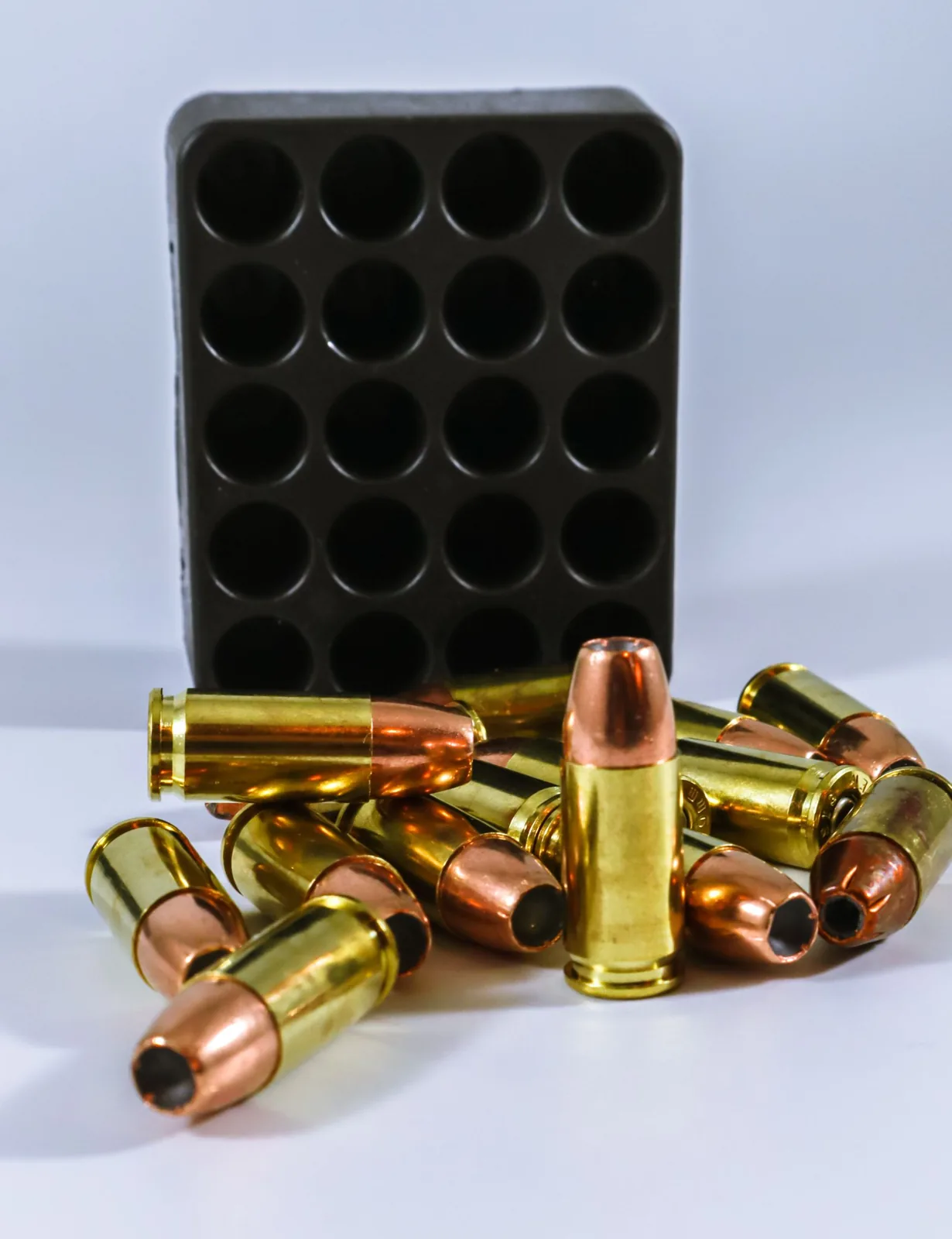
Why Shooters Learn How to Start Reloading
The reasons fall into three categories. Accuracy is the most compelling for precision shooters: factory ammunition is loaded to function across a wide range of chambers, while your handloads can be tuned to your specific rifle’s freebore and throat. Cost is the second driver: once your equipment is paid off, the per-round cost of centerfire rifle cartridges drops significantly. We’ve broken that math down in our post on whether reloading is worth it. The third reason is availability: if you’ve ever watched shelves empty during a shortage, the appeal of a personal component stockpile becomes very concrete, very fast.
The Reloading Cycle: What Actually Happens at the Bench
Every cartridge you load goes through the same sequence. The brass case is the heart of the process: it gets fired, recovered, and recycled through this cycle many times before it’s retired.
- Deprime and resize. A full-length sizing die squeezes the fired case back to specification and punches out the spent primer in a single press stroke. Case lube is essential here: skip it and the brass welds itself to the die.
- Inspect and prep the case. Check for cracks, measure overall length, trim if the brass has grown beyond spec, and deburr the case mouth. Most reloaders clean brass in this phase too, using a tumbler or ultrasonic cleaner.
- Prime. A fresh primer is seated into the cleaned primer pocket. Primers are the ignition source: seat them fully, handle them carefully, and keep them away from heat and impact.
- Charge with powder. A measured weight of propellant goes into the case. This is the most consequential step in the entire process. Every charge must come from current published load data, and every case should be visually inspected before you move on: a double-charge or a missed case is visible if you look.
- Seat the bullet. The projectile is pressed to the cartridge overall length specified in your data source. A micrometer-adjustable seating die makes this step repeatable from round to round.
Simple in concept, demanding in execution: and exactly why process discipline matters more than speed.
Equipment Categories Every New Reloader Needs to Cover
The right starter setup depends on your cartridge, volume, and goals. Rather than a prescriptive shopping list: that’s what our reloading equipment list is for: here are the categories your bench must cover before you load a single round:
- Press. The mechanical heart of the operation. Single-stage presses are the standard recommendation for beginners: one operation at a time, complete focus on each step.
- Dies. Caliber-specific tooling that resizes, expands, seats, and crimps. A basic two- or three-die set covers most rifle and pistol cartridges.
- Scale and powder measure. Every charge must be weighed or verified by weight. A digital scale is non-negotiable; many reloaders use a trickler and scale for final verification even when running a volumetric measure.
- Calipers. Digital calipers measure case length, overall cartridge length, and seating depth. You’ll use them constantly.
- Case prep tools. Trimmers, deburring tools, primer pocket cleaners, and a tumbler or ultrasonic cleaner round out a functional bench.
- A current reloading manual. Not a category: a requirement. See below.
Your Manual Is the One Thing You Cannot Skip
Before you purchase a single component, buy a current reloading manual from a reputable bullet or powder manufacturer. This is where every charge weight, every starting point, and every warning for every component combination lives. That data is tested at measured pressure by engineers: it is not a suggestion, it is the safe boundary of operation for that specific combination of components.
Cross-reference data across at least two current printed sources. The Sporting Arms and Ammunition Manufacturers’ Institute (SAAMI) sets the pressure standards that underpin all published data; their site explains why those limits exist and what exceeding them means. Never extrapolate beyond published maximums. Never use forum posts, secondhand data, or anything that cannot be traced to a current manufacturer’s publication.
Safety Basics That Apply from the Very First Session
Reloading has an excellent safety record because careful reloaders follow a short list of rules: consistently. If you’re figuring out how to start reloading, ingrain these before you touch a press:
- One powder on the bench at a time. Label it, confirm it, put everything else away before the container is open. Powder mix-ups are catastrophic and completely preventable.
- Verify every charge. Weigh it. Then look into the case before seating. A double charge in a rifle case is almost always visible: but only if you check every single time.
- Eye protection, always. Primers can discharge. Brass can crack. The bench is not a place for bare eyes.
- Work without distractions. Reloading interrupted is reloading where mistakes happen. Finish the step you’re on, or stop cleanly.
For a thorough treatment of each of these points, see our post on reloading safety fundamentals.
Log Everything from Day One
Here’s what most beginner guides skip: the first loads you make are data, not just ammunition. Every combination of component, seating depth, and environmental condition produces a result you can learn from: but only if you recorded it. Experienced reloaders who struggle to replicate a previous result almost always share the same story: they didn’t write it down.
This is where LoadNode fits into your bench workflow. It’s a precision reloading logbook and analysis tool: record your components, seating depths, chronograph results and group data in one place, then read that history back when something changes. Measuring a group from a target photo is free; saving that measured group against a charge is part of Pro. What was different between the session where SD was 8 fps and the one where it jumped to 22? Without a record, you’re guessing. With one, you’re doing actual load development. When you’re ready to understand what those velocity numbers mean, our post on what a good SD looks like for reloading is a natural next step.
Learning how to start reloading is genuinely straightforward: understand the cycle, cover the essential equipment categories, follow your manual like a rulebook, work safely, and record everything from the first round. The reloaders who get the best results over the long run aren’t the ones with the most expensive gear: they’re the ones with the most complete records.
Handloading is an adult activity done at your own risk. LoadNode is a logbook and analysis tool: it never provides load data. Always develop loads from current published manufacturer data and work up safely.