If you’ve ever asked how many times can you reload brass and walked away with a different number from every reloader in the room, that’s not evasion: it genuinely depends. Cartridge type, chamber pressure, sizing method, annealing schedule, and even the brand of brass all shift that number dramatically. This guide gives you realistic firing‑count ranges by cartridge type, explains every variable you can actually control, and walks you through the four failure signs that tell you a case has reached the end of its service life.
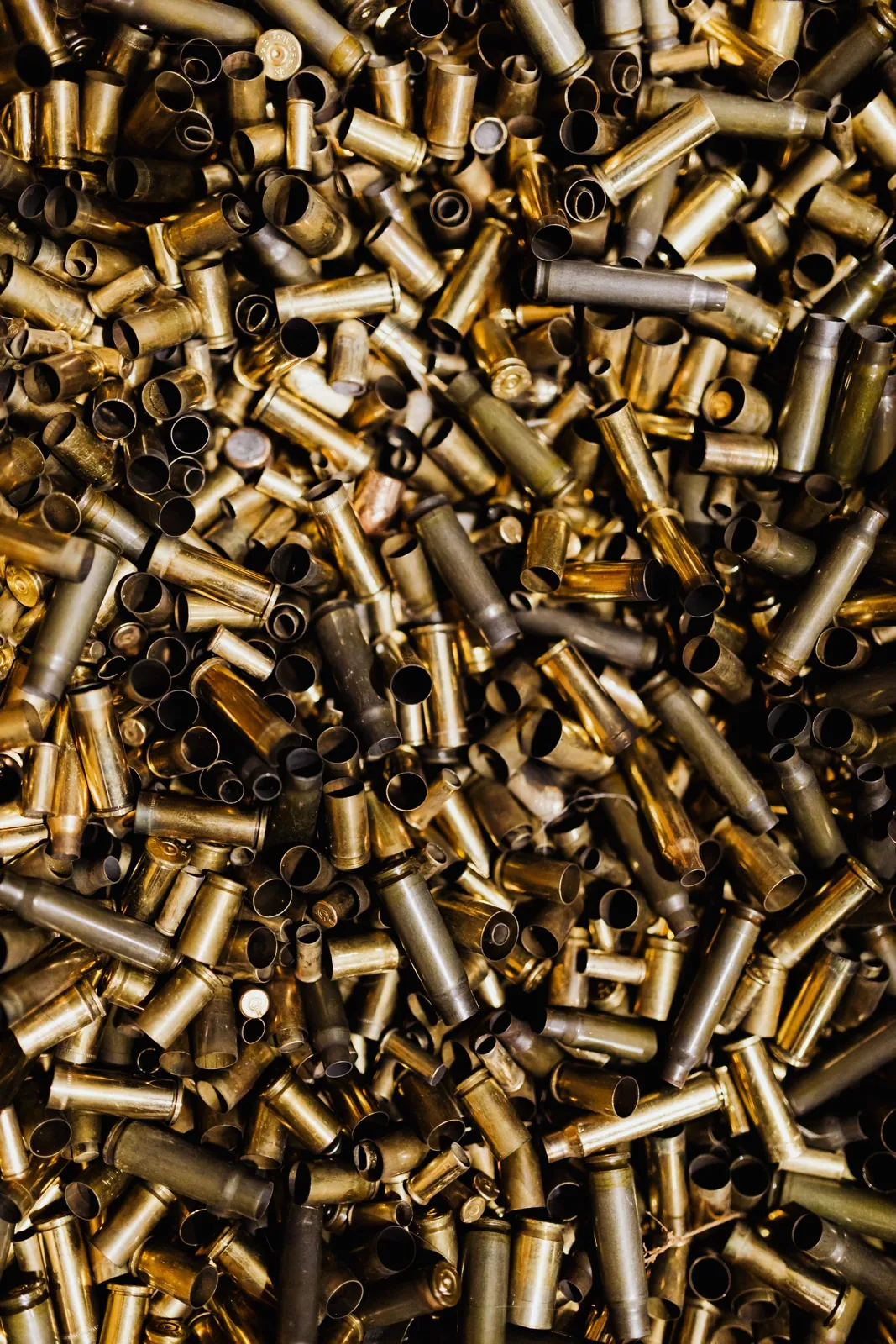
How Many Times Can You Reload Brass? Ranges by Cartridge Type
The answer to how many times can you reload brass starts with what you’re shooting. Here are realistic, community‑confirmed ranges: not best‑case marketing figures.
Bolt‑action rifle brass typically delivers 5–10 firings under normal conditions. Controlled extraction and tight chamber support are far gentler on brass than a semi‑automatic’s fast camming action. Reloaders who neck‑size only, bump the shoulder minimally, and anneal on a regular cadence routinely push runs well beyond ten. Premium brass from makers like Lapua and Peterson is manufactured to tighter tolerances with a harder case web; reloaders regularly report 12–20 or more firings from these lots.
Semi‑automatic and AR‑platform rifle brass ages faster: expect 3–6 firings under normal use. The fast, hard extraction of a gas‑operated action stretches cases more aggressively per cycle, and brass that ends up on hard surfaces accumulates additional deformation that shortens usable life further.
Straight‑wall pistol and revolver brass lives longest. Operating at a fraction of rifle pressures, cartridges like .45 ACP, .38 Special, and .357 Magnum commonly survive 15–20 reloads or more. Some competitive shooters running mild loads report stopping the count past 20 because the brass still looks serviceable. Higher‑pressure pistol rounds, 9mm and .40 S&W among them, deliver fewer cycles than their lower‑pressure siblings, though typically still more than bottleneck rifle brass.
What Shortens Brass Case Life
- High operating pressure. Every firing expands brass against the chamber walls. Higher pressure means more metal flow per cycle, which thins the web and loosens primer pockets faster.
- Excess shoulder bump. Full‑length sizing done aggressively, pushing the shoulder back more than a few thousandths, works the brass harder than the chamber requires and accelerates case‑body stretch.
- Semi‑automatic extraction. Fast, hard ejection stretches cases further per cycle than a manual bolt action does, regardless of pressure level.
- Skipping annealing. Without periodic heat treatment the neck and shoulder work‑harden progressively until they crack or split: often without warning.
- Overflaring or overcrimping pistol case mouths. Repeatedly belling and then crimping the case mouth fatigues the brass at the neck faster than firing itself does.
What Extends Brass Case Life
- Regular annealing. Annealing the neck and shoulder restores the ductility that firing removes. Reloaders who anneal every firing, or every two to three firings, consistently report more usable life and tighter neck‑tension consistency from the same lot.
- Minimal, consistent shoulder bump. Move the shoulder only as far as your chambering demands, and keep that dimension repeatable across every case in the lot.
- Neck sizing for bolt actions. Neck sizing only works far less metal than full‑length sizing and measurably extends case life when a single firearm is in the rotation.
- Bushing dies. Bushing dies without an expander ball work the neck once per cycle instead of twice, reducing cumulative metal fatigue with every reload.
- Thorough first‑fire prep. Starting with properly prepped brass, trimmed to length, deburred, and annealed, sets the lot up for the longest possible run before any failure mode appears.
Four Signs It’s Time to Retire a Case
Knowing how many times can you reload brass by the numbers matters less than catching these failure signs before they become a safety issue. Any one of the four below means the case goes in the scrap bin, not back in the loading block: regardless of firing count.
1. Incipient case‑head separation. This is the most dangerous failure mode in rifle brass. As brass flows forward under repeated pressure cycles, the web just above the extractor groove thins. Before it splits completely, an internal groove forms at that thinned zone: sometimes visible from outside as a bright ring. To check: straighten a paper clip, bend a 90‑degree foot about 3 mm long at one end, then drag the bent tip slowly around the inside wall of the case just above the web. Any catch or depression you feel means the case is compromised. Discard it immediately and never re‑fire it.
2. Loose primer pockets. A primer should require firm, consistent thumb pressure to seat fully. If it slides in with little or no resistance, or falls out during handling, the web has expanded past spec and the case is done.
3. Neck splits and cracks. Visible cracking or splitting in the neck or shoulder is immediate grounds for retirement. Work‑hardened brass that has not been annealed on a regular schedule will crack; there is no repair once it does.
4. Excessive length growth. Cases stretch with every firing, and trimming to spec is normal maintenance. When you find yourself trimming the same lot back to minimum length every single cycle, the brass is nearing the practical end of its workable life and deserves more aggressive inspection with every subsequent pass.
Why Tracking Firing Count Is the Real Answer
Most reloaders who ask how many times can you reload brass make the same mistake: they do everything right with prep, sizing, and annealing: and then never write down how many times each lot has been fired. Without a firing count you’re managing brass by intuition rather than data, and you can’t know when a lot is approaching end‑of‑life until a case gives you a sign at the bench.
LoadNode tags every logged session with the brass generation it was shot on: new, once‑fired, twice‑fired and on up the scale. You set that tag as you log the session, and from then on every group and every velocity string recorded there carries the firing count behind it, so a lot’s history reads back in order instead of from memory. Cost & ROI tracking, part of the one‑time Pro purchase rather than a subscription, splits the case price across the firings you have actually logged, so the per‑round cost gets truer as the lot ages toward retirement: and every figure it prints names the brass assumption it was divided by. When a lot approaches the typical end‑of‑life range for its cartridge type, you know to start inspecting harder: and to budget for a replacement lot before the current one is entirely spent.
The honest answer to how many times can you reload brass is the number your own records show: calibrated against the ranges above and cut short the moment any failure sign appears. Track every firing, inspect every case, and retire on evidence rather than habit. That is how you keep brass cost low, performance consistent, and every range session as safe as the first.
Handloading is an adult activity done at your own risk. LoadNode is a logbook and analysis tool: it never provides load data. Always develop loads from current published manufacturer data and work up safely.