Practical, no-nonsense reloading guides: from measuring groups in MOA to reading SD & ES, prepping brass, and getting more out of your load development. Everything here helps you understand your own data; none of it tells you what to load.
What you’ll find in our reloading guides
Our reloading guides walk the whole precision workflow. Start with the fundamentals: measuring group size in MOA, mean radius vs group size, and what a good SD is. Move into load development with what a ladder can and cannot prove and ladder test vs OCW. Tighten up your brass with brass prep, annealing, neck tension, and seating depth. And get the gear and conditions right with using a chronograph, Garmin Xero data, and density altitude.
How to use these guides
Read them, then put them to work. Every guide is written to help you read your own results and make better decisions at the bench: not to hand you a recipe. Pair them with LoadNode to log your charges, sync your chronograph, measure your groups, and watch your SD come down over time.
A quick word: handloading is an adult activity, and these reloading guides are educational, not load data. Always develop loads from current published data, start low, and work up safely. LoadNode never publishes load data and never tells you what to load. With that understood, dig in: the full library is below, and new guides are added regularly.
-
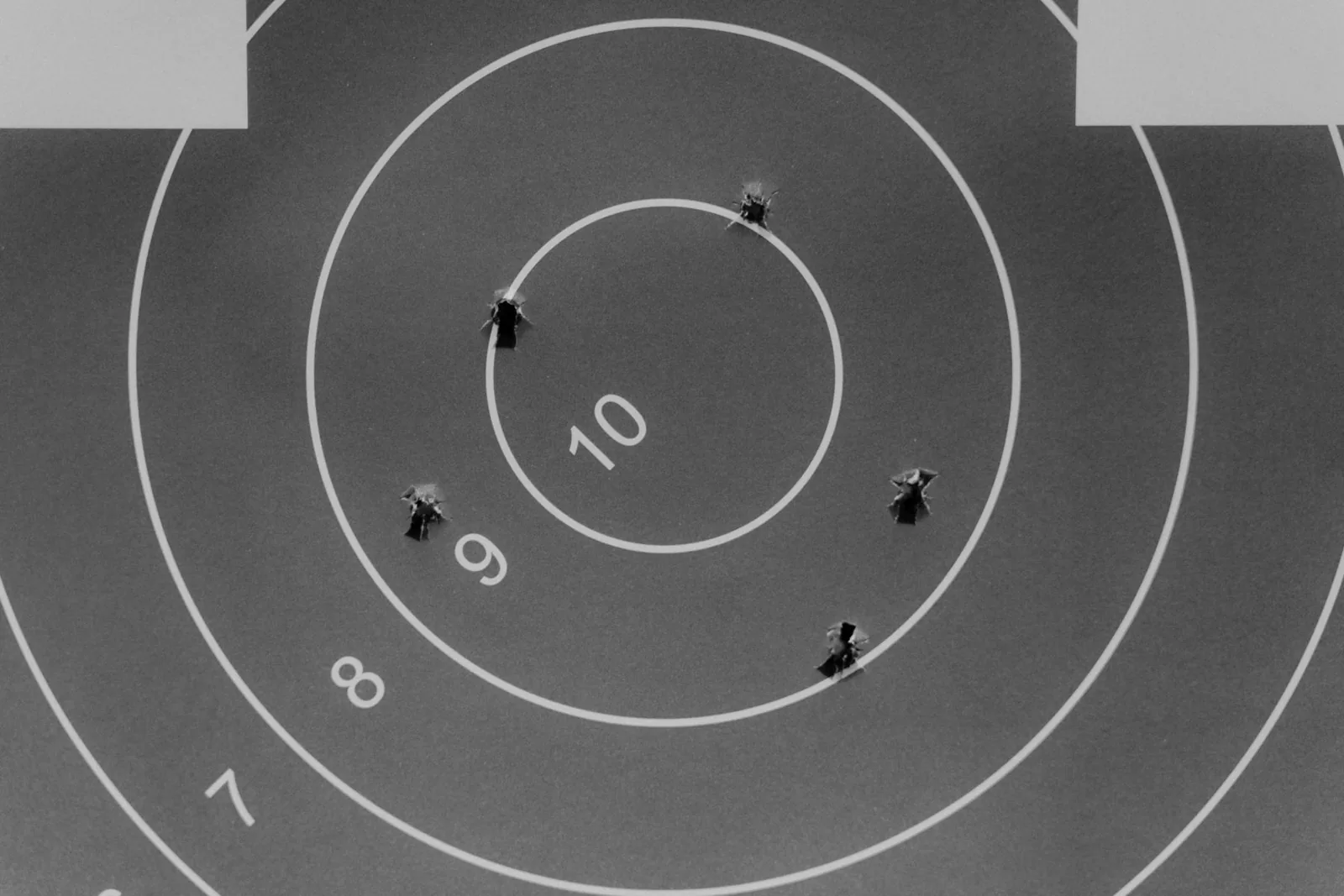
CEP Shooting: The Smart Way to Grade Your Groups
-

What to Record in a Reloading Log: Essential List
-
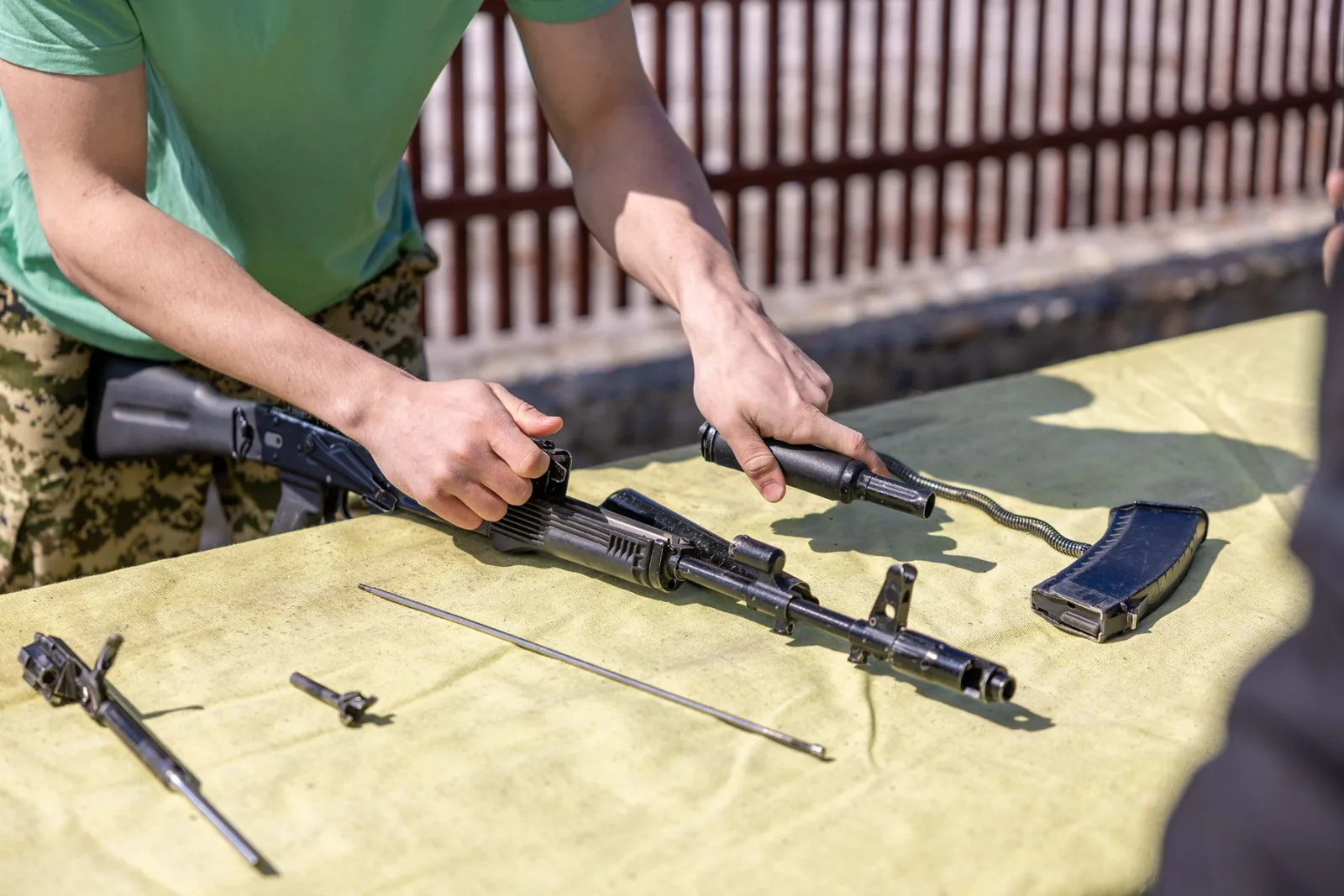
How Often to Clean a Rifle Barrel: The Smart Way
-
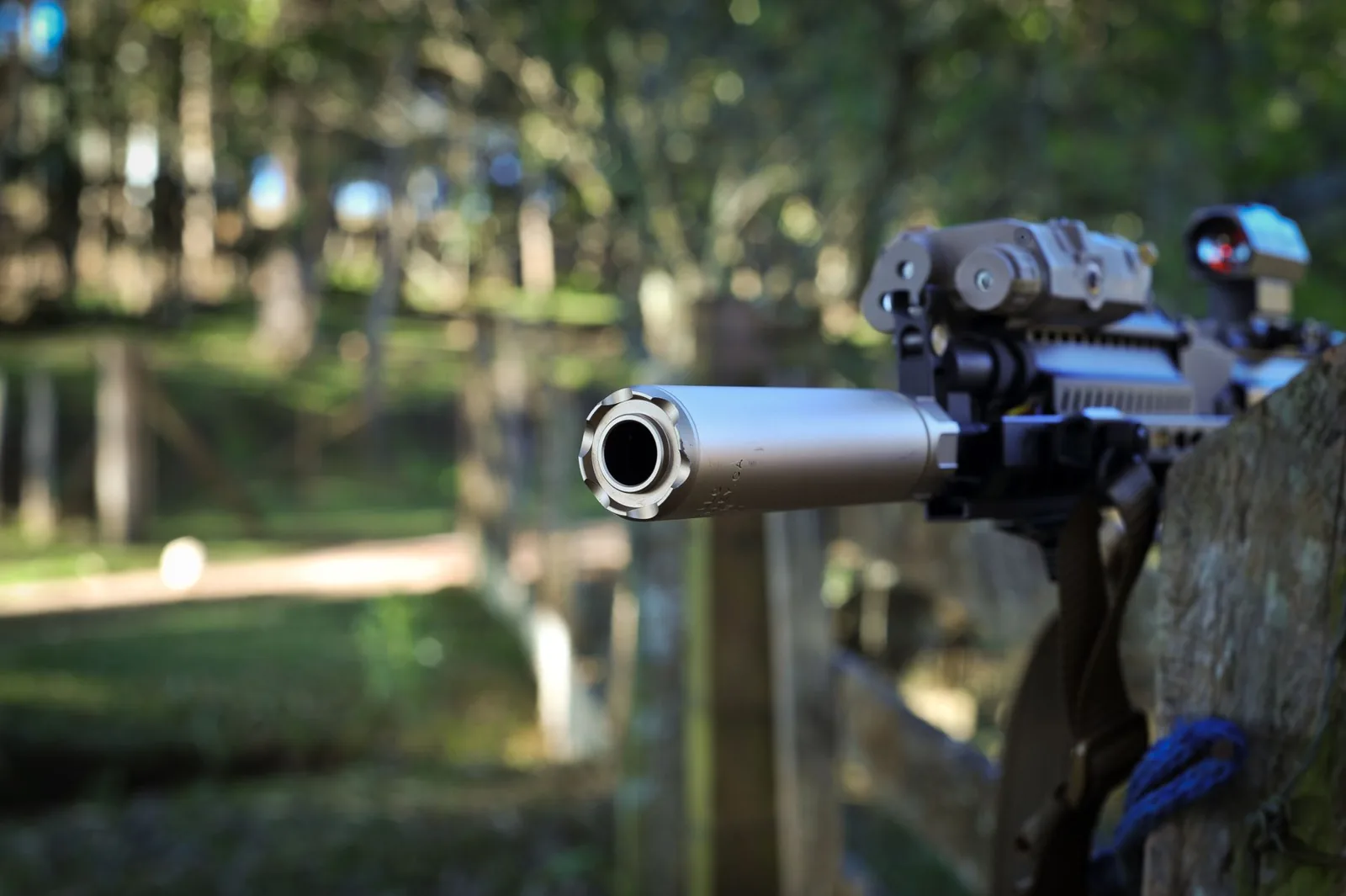
Suppressor POI Shift: The Truth About Cans
-
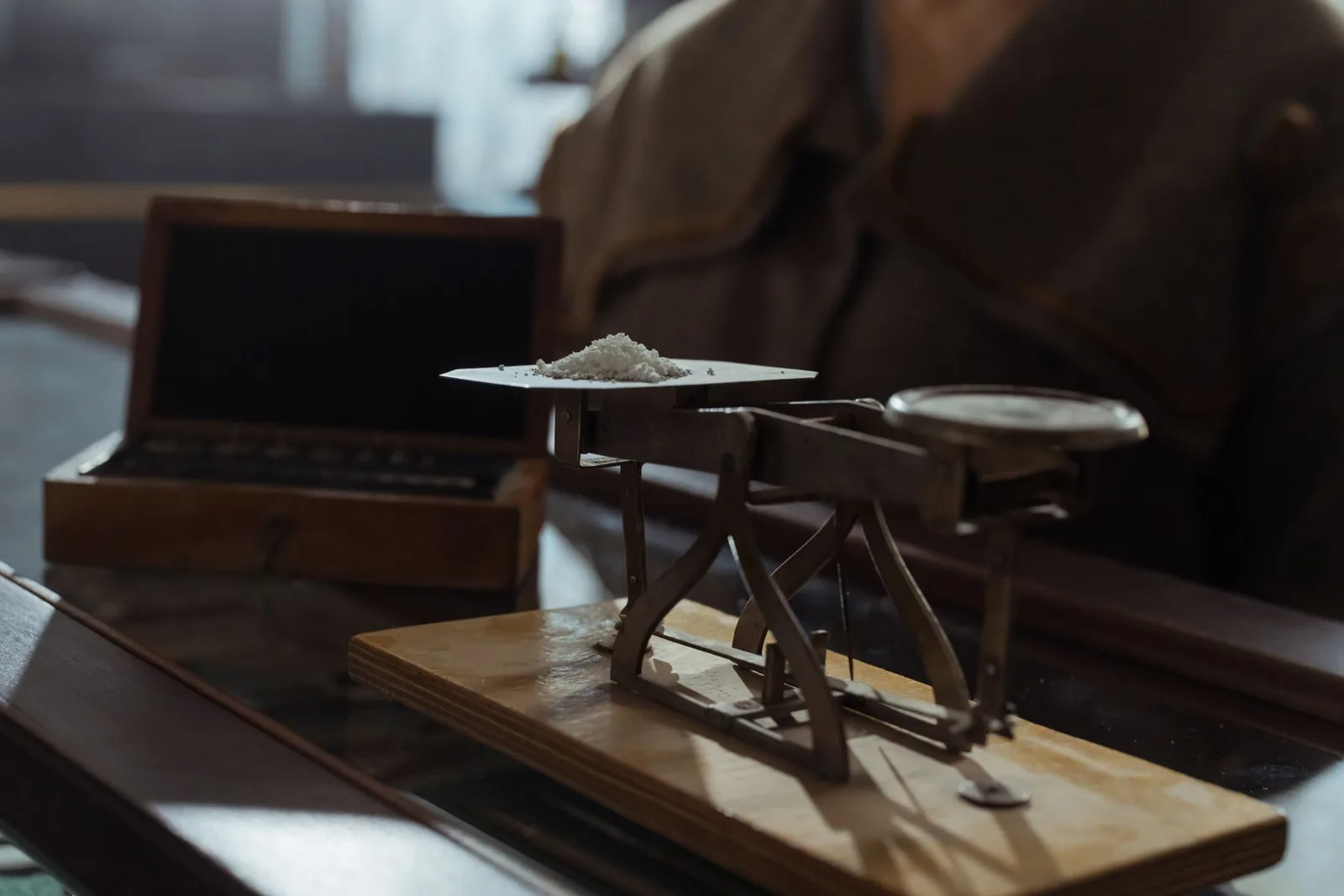
Powder Lot Variation: The Truth About Lot Changes
-
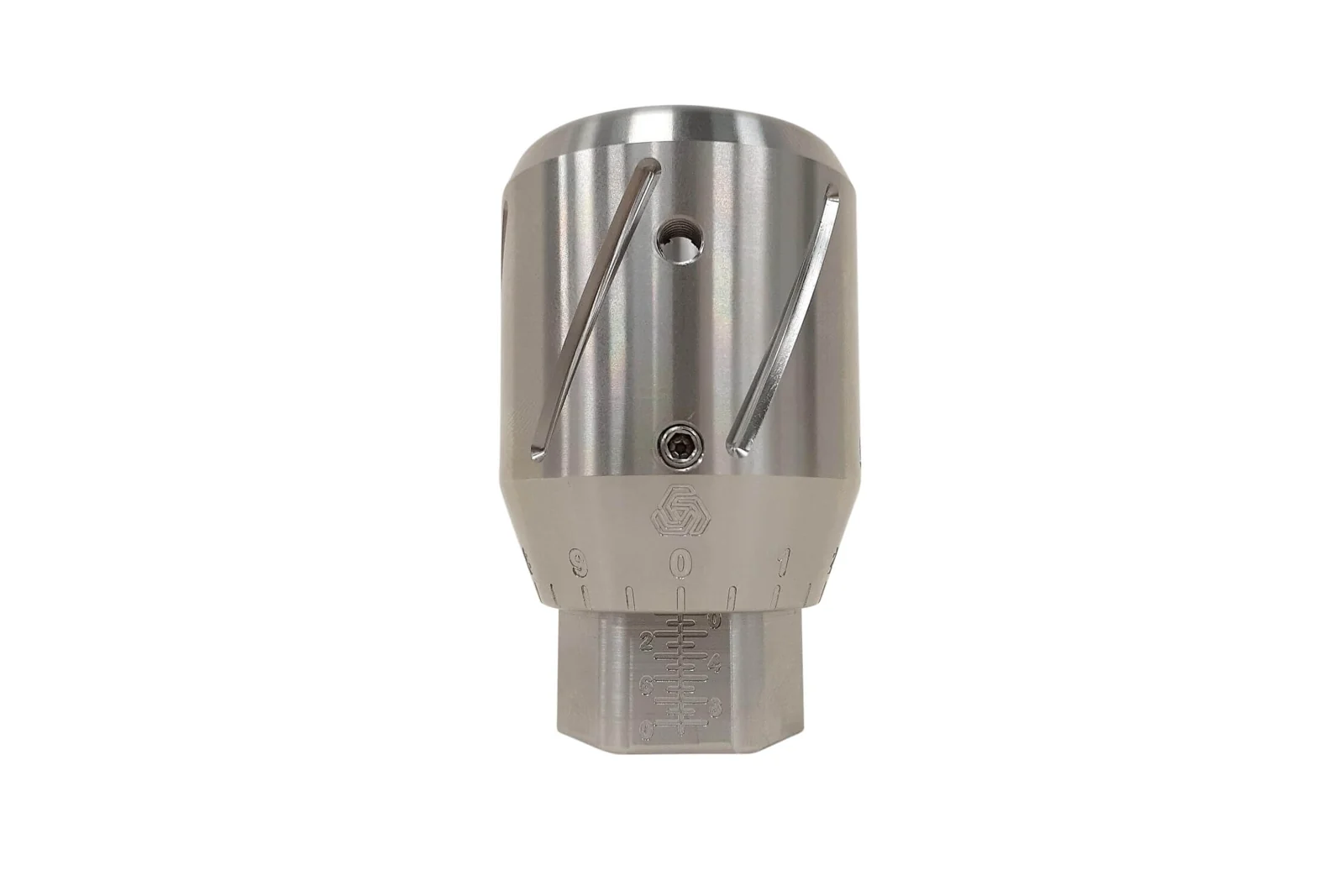
Barrel Tuner Testing: A Proven Method
-
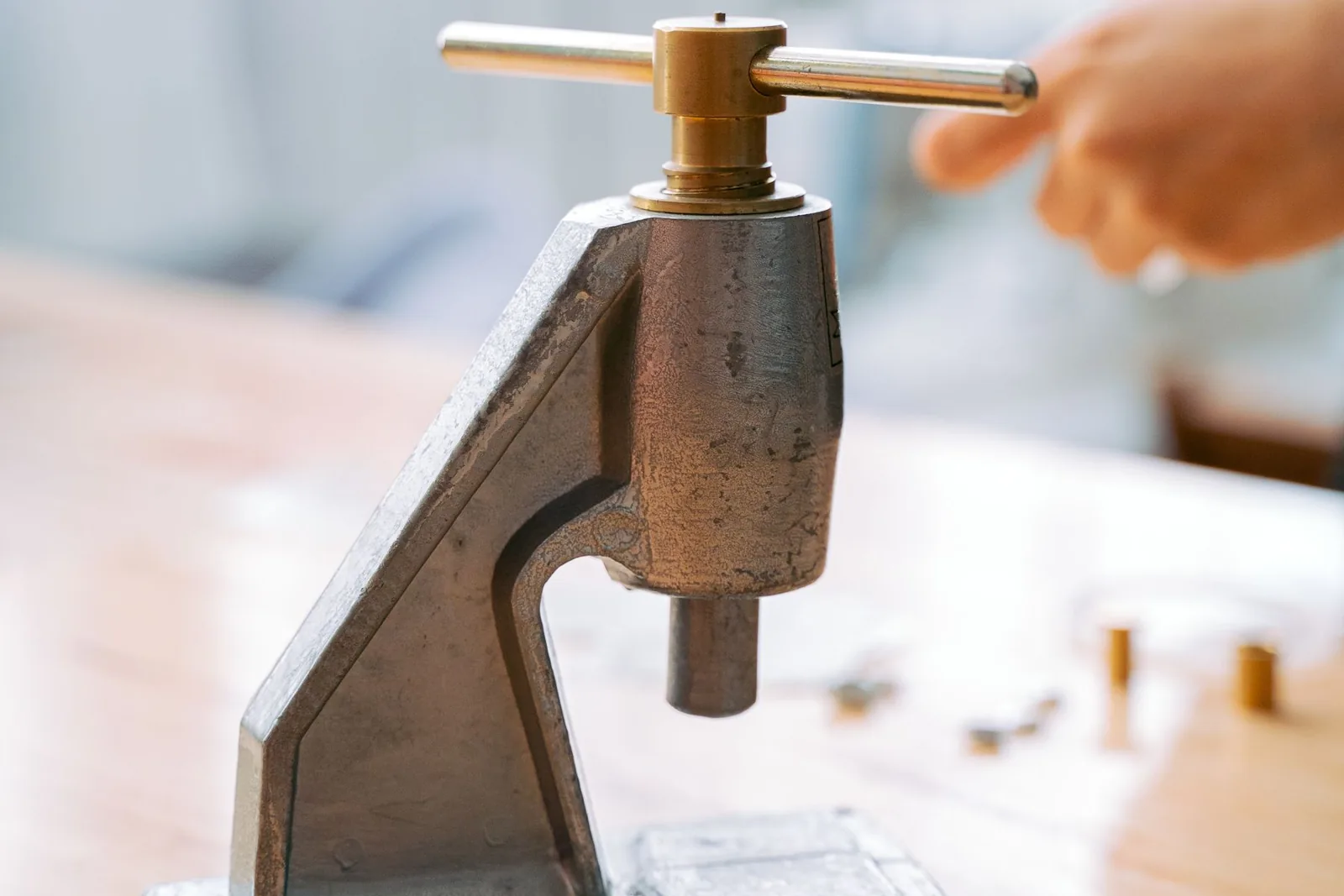
How to Reduce SD: 9 Proven Process Fixes
-
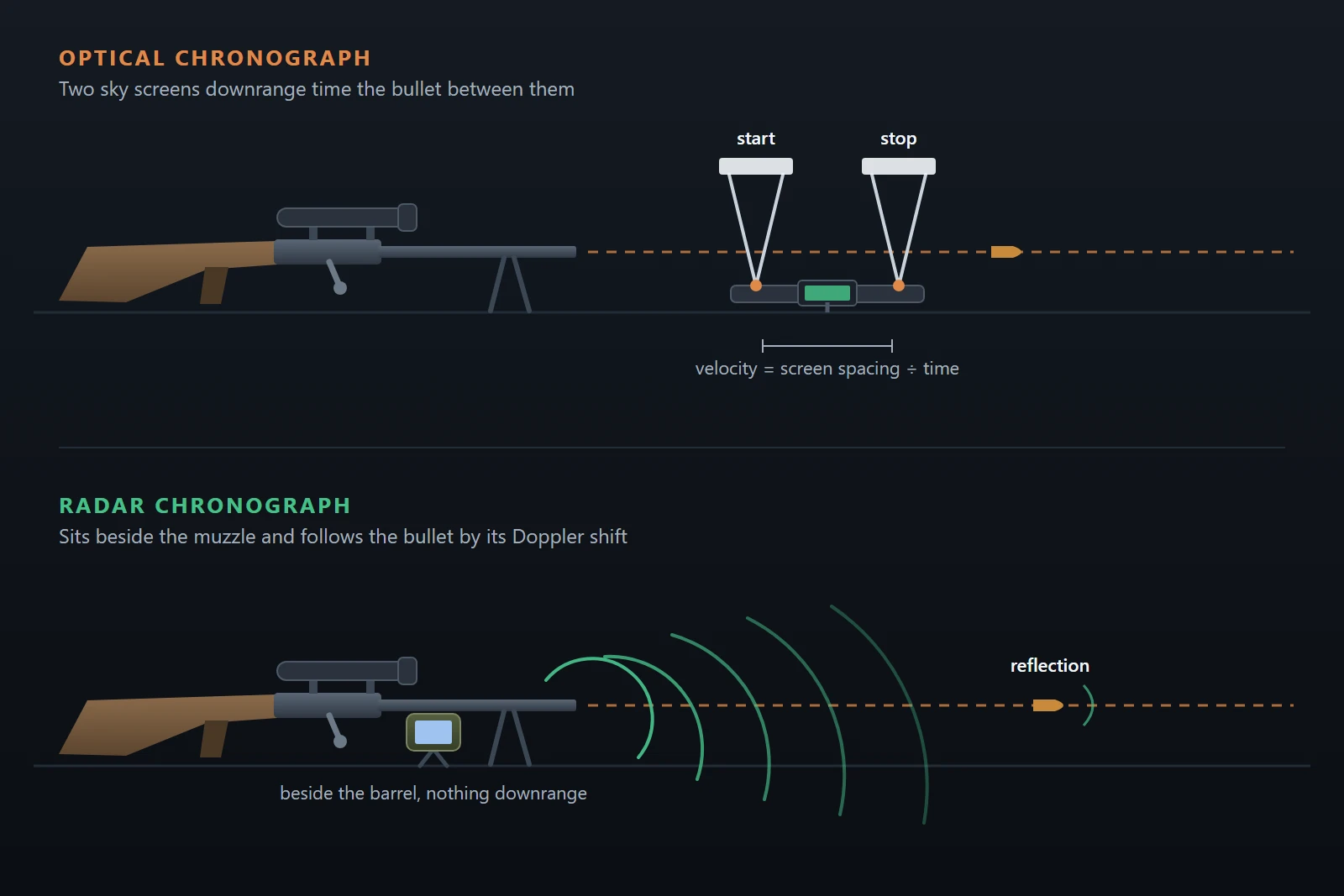
Radar vs Optical Chronograph: Essential Guide
-
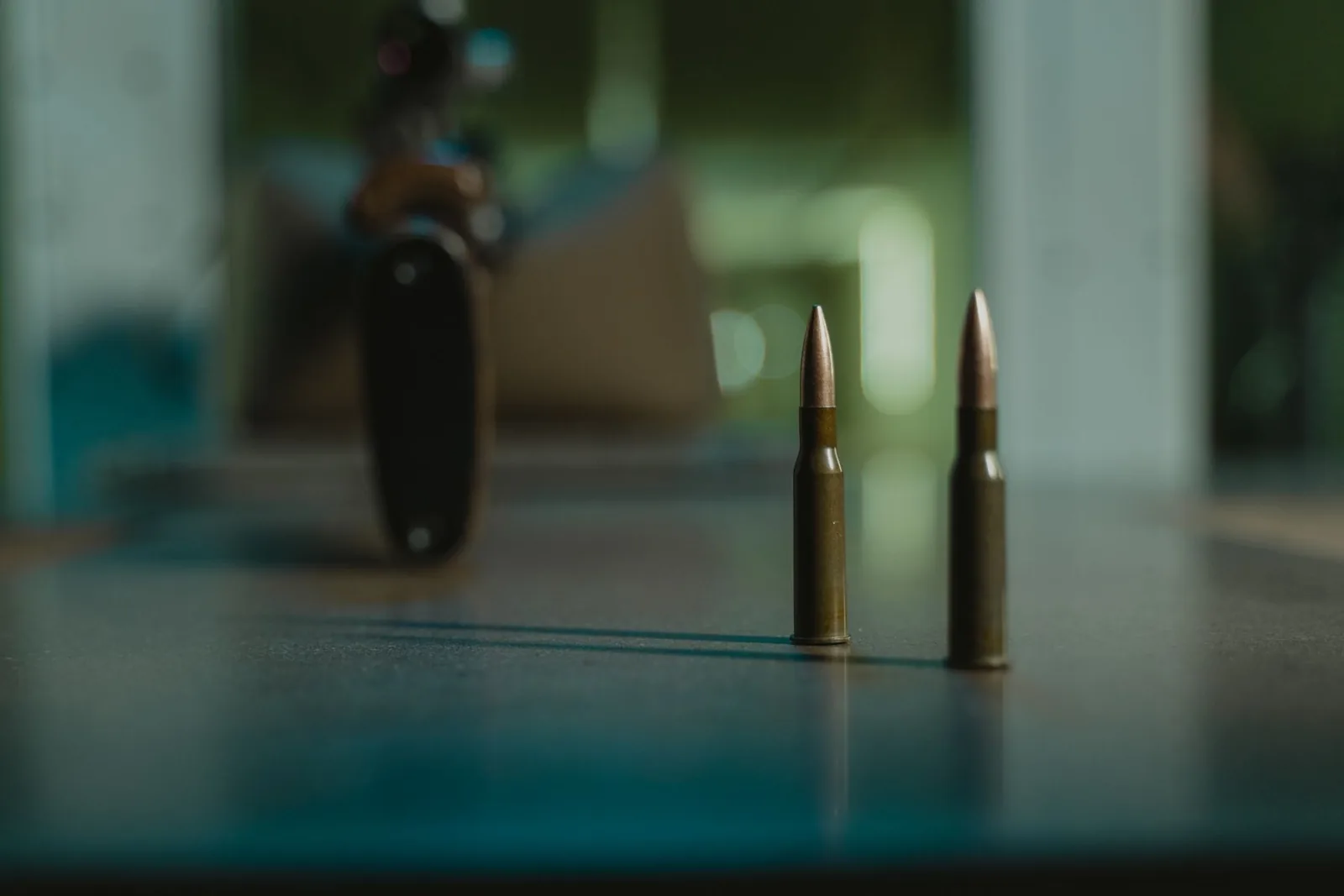
Factory Ammo vs Handloads: The Honest Test
-
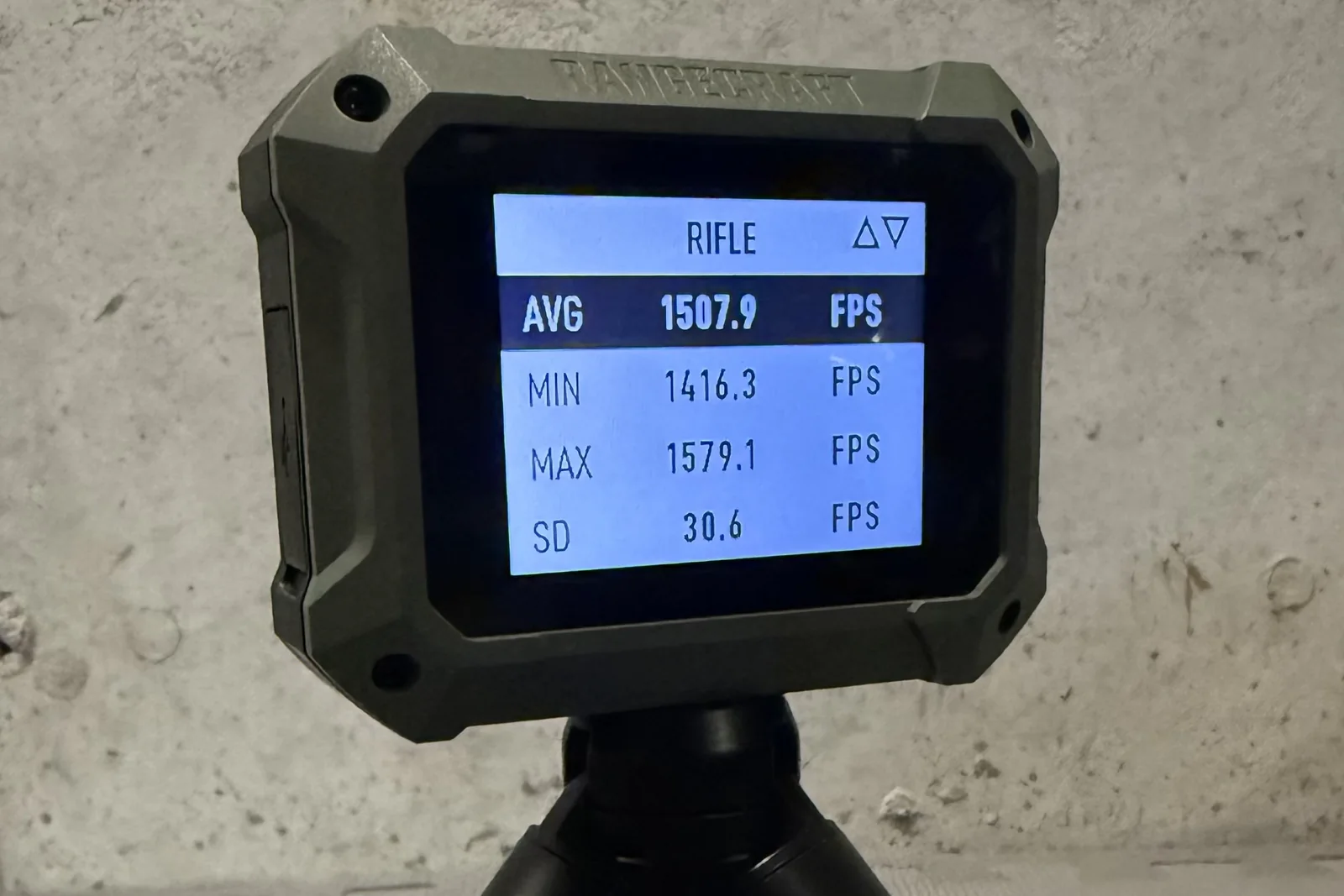
Athlon Rangecraft Velocity Pro: The Complete Guide
-
The Practical Guide to How to Measure Shoulder Bump
-
Why Primer Seating Depth Is Critical for Low SD