Reloading safety is not a supplementary concern — it is the foundation on which every session at the bench is built. The rules that govern safe handloading have been developed through the combined experience of the industry, component manufacturers, and organizations such as SAAMI (the Sporting Arms and Ammunition Manufacturers’ Institute), whose standards underpin every piece of published load data. Whether you’re assembling your first batch of centerfire rifle cartridges or your ten-thousandth, these principles apply equally — and every experienced reloader will tell you they follow them every session, not just when they remember.
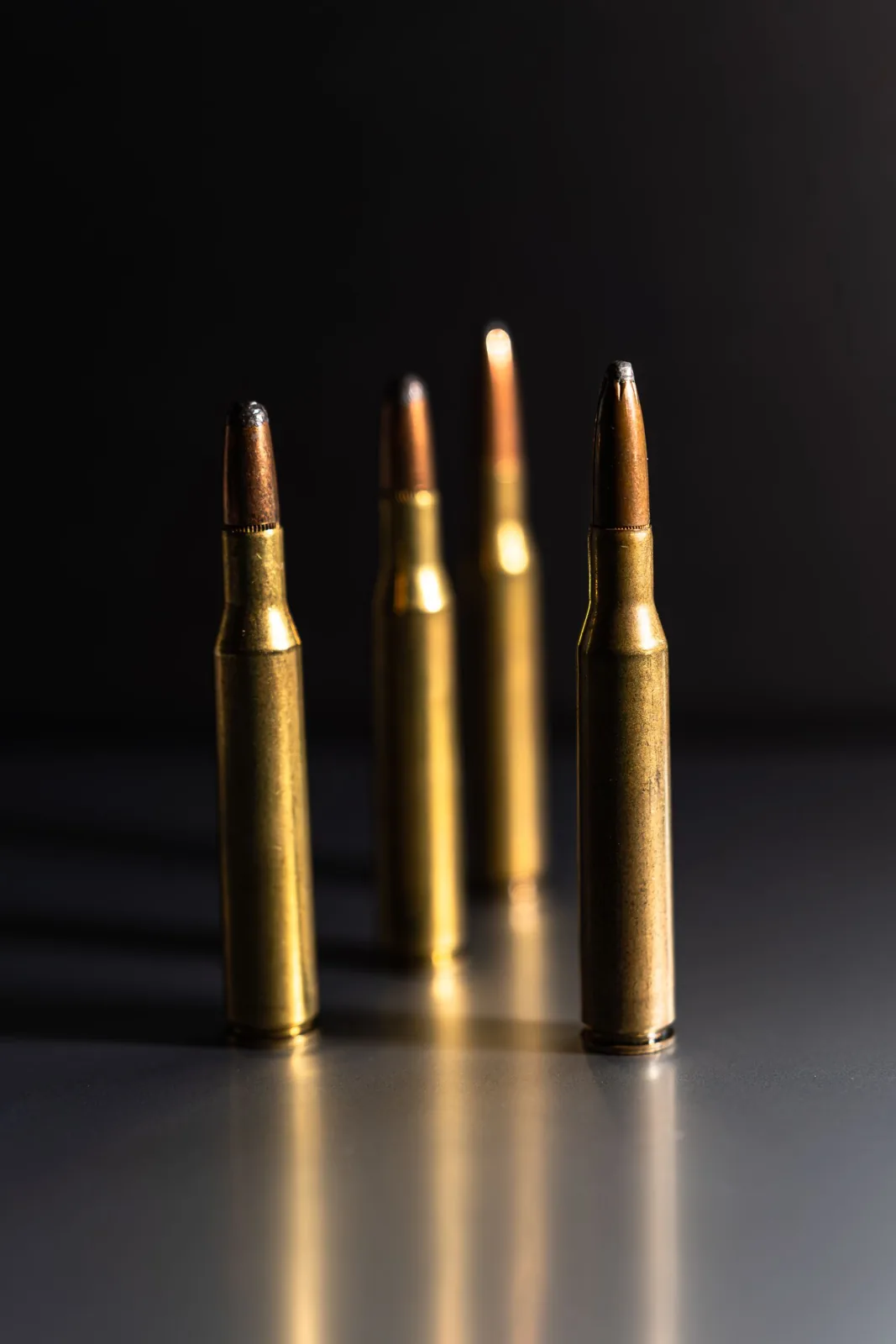
Why Reloading Safety Depends on Habit, Not Luck
The good news about reloading safety is that the risks are almost entirely preventable. Unlike a mechanical failure you cannot anticipate, nearly every reloading accident traces back to a skipped step, a momentary distraction, or a one-time exception that “seemed fine.” That’s precisely why rules exist — not to slow you down, but to make your process consistent enough that anything out of the ordinary stands out immediately.
10 Essential Reloading Safety Rules
- One powder on the bench at a time. Return the current canister to storage before opening another. Having two or more containers accessible simultaneously is the leading cause of wrong-powder incidents — and putting the wrong powder in a case is among the most catastrophic mistakes in reloading. The rule is absolute: one container out, everything else stored.
- Verify the powder label every single time. Read the label before filling your measure, after filling it, and again mid-session if the session runs long. Powder canisters look remarkably similar. Cross-checking the label against your published load data takes three seconds and has prevented countless accidents.
- Keep the bench clean and distraction-free. No screens, no children running in and out, no background noise that demands a response. Vihtavuori’s reloading safety guidance states it plainly: “Reload only when you can give it your undivided attention.” A clean, uncluttered bench also makes it far easier to notice anything out of place before it becomes a problem.
- Verify your scale before every session. Zero the scale, then confirm it with a known calibration weight before you start. If you’re using a volumetric powder measure, periodically pull a thrown charge and weigh it to confirm the measure has not drifted. A scale that wanders silently is a serious hazard that no amount of careful technique can compensate for.
- Inspect every charged case for powder level before seating the bullet. This is the catch for both double-charges and squib-load setups. Hold a flashlight across the row of charged cases: a case with no powder, or an obvious overfill, will stand out immediately. A double charge can generate catastrophic pressure in an instant; a squib — a bullet lodged in the barrel from an undercharged round — is equally dangerous if a second shot follows before the obstruction is cleared. Never skip this inspection.
- Always wear eye protection at the bench. Primers can detonate during seating. Components can shift unexpectedly. SAAMI recommends safety glasses meeting ANSI Z87.1 standards for all reloading and shooting activities. Hearing protection matters at the range; eye protection matters the moment you sit down at the press.
- Store powder and primers properly — and separately. Both should be kept cool, dry, and in their original labeled containers. Primers and powder must not share the same storage space: a mass primer detonation can set off nearby powder with seriously dangerous consequences. Keep quantities within your local legal limits and store everything away from heat sources, open flame, and other flammables.
- Never use unlabeled powder or mix powders. If you cannot positively identify a powder from its original sealed container with the label intact, discard it per the manufacturer’s instructions. Mixing two smokeless powders — even ones with similar burn rates — creates an unknown propellant with unpredictable pressure curves. There is no safe way to evaluate an unknown mixture.
- Recognize pressure signs and stop immediately. Flattened or cratered primers, hard bolt lift, sticky extraction, case head expansion, or a case that won’t release from the chamber are all warnings of excessive pressure. Stop shooting, stop loading, and investigate before proceeding. Do not rationalize a pressure sign away.
- Always work from current published data — and cross-check two sources. Powder and bullet manufacturers publish reloading data produced by instrumented, controlled testing. Always begin from the published starting load and work up from there in small, deliberate increments — never exceed a published maximum. Cross-referencing two reputable published sources, such as a current printed manual and the component manufacturer’s own online data, adds a meaningful verification layer that catches errors in either source.
The Mindset That Holds It All Together
Rules matter most when they are applied consistently — every session, not just the first or when the stakes feel obvious. Experienced reloaders treat each loading session with the same sequence: same checks, same order, same inspections. That consistency is itself a form of reloading safety, because a routine that never varies means any deviation becomes immediately visible rather than something easy to rationalize away in the moment.
If something feels off at the bench — an unusual resistance when seating a primer, a powder measure that seems to be throwing lighter than last session, a case that feels different — stop and investigate. The cost of pausing is a few minutes. The cost of ignoring a warning is potentially a damaged firearm, an injury, or worse.
How LoadNode Keeps Your Data Organized and Cross-Checkable
One of the quieter contributions to reloading safety is keeping accurate, detailed records. When you can look back at exactly what components you used, what charge weight you ran, and how those loads performed at the range, you have a data trail that helps you catch problems early — a load that suddenly shows a pressure sign compared against your prior range notes, for instance. LoadNode is built for precisely this: a structured reloading logbook that records your components, charges, brass preparation, and shooting results so your data is organized, searchable, and cross-checkable across every session.
If you’re just getting started, our guide on how to start reloading walks through the equipment, process, and what to expect from your first sessions. If you’re still weighing the time and cost investment, is reloading worth it examines the numbers and value proposition honestly. And once your safety habits and process are solid, brass preparation for accuracy is where many experienced handloaders find their tightest groups.
Handloading is an adult activity done at your own risk. LoadNode is a logbook and analysis tool — it never provides load data. Always develop loads from current published manufacturer data and work up safely.